

Why Your Phone & Laptop May Be Quietly Damaging Your Neck
Think about the last time you checked your phone. Chances are, your chin was dropped, your shoulders were rounded, and your head was jutting forward. You may not even have realized it. Sound familiar? You are definitely not alone! Forward Head Posture (FHP) is one of the most common postural complaints we see at Bodytech Wellness Solutions, and prolonged screen use is one of the biggest contributing factors.
What Is Forward Head Posture?
In an ideal posture, your ear should sit directly above your shoulder. Forward Head Posture occurs when your head drifts ahead of that line — even slightly. For every 2.5 cm that your head moves forward, the effective weight your neck muscles must support increases substantially. The average human head weighs about 5 kg. Tilt it forward enough, and your neck is bearing the equivalent load of a medium-sized watermelon — all day long.
Why Smartphones & Laptops Are the Main Culprits
We spend an average of 8 to 10 hours a day on screens — scrolling social media, attending Zoom calls, typing reports, or binge-watching content. The problem isn’t just duration; it’s sustained static posture. Your muscles weren’t designed to hold one position for hours at a stretch.
What Does It Feel Like?
Forward Head Posture rarely announces itself loudly at first. Instead, it creeps up gradually, through:
Many people dismiss these symptoms as stress or tiredness. Often however, it is posture that is the root cause.
Can It Be Fixed?
Absolutely — and the earlier you address it, the better. At Bodytech, we approach Forward Head Posture through a combination of:
A good rule of thumb in the meantime – Raise your phone to eye level, position your laptop screen at eye height, and take a 2-minute posture break every 30 minutes. Set a reminder if you have to.
The Bigger Picture
Left unaddressed, Forward Head Posture can contribute to cervical disc problems, chronic headaches, and changes in breathing mechanics & overall physical function over time. It also affects how you carry yourself — confidence, energy, and even breathing are all tied to how you hold your head and chest.
In modern life, where screen time is often non-negotiable, awareness and early intervention are your best tools.

Join us on my journey to a healthier lifestyle

Targeted exercises and specific conditioning programs that complement our Physical Therapy service, in order for you to regain optimal function.
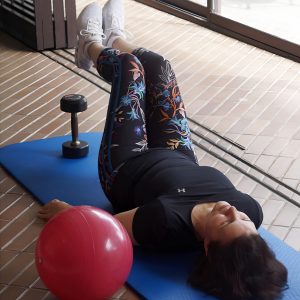
Targeted exercises and specific conditioning programs that complement our Physical Therapy service, in order for you to regain optimal function.
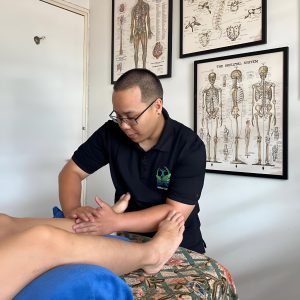
Professional and effective treatment by fully qualified therapists, for:
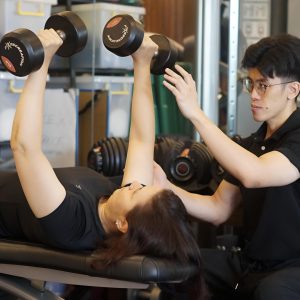
1-to-1 workouts to meet fitness goals and enhance overall performance, with a personalized combination of strength, cardiovascular, flexibility, power, agility and balance training components.
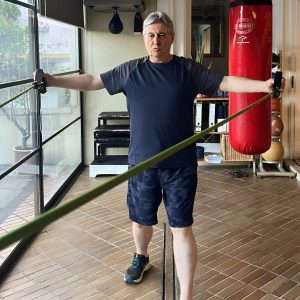
Holistic and age-appropriate exercises to empower seniors, supporting an active, healthy lifestyle and enhancing quality of life. Key components:

Immersive and therapeutic sounds to promote overall physical, mental and emotional wellbeing.